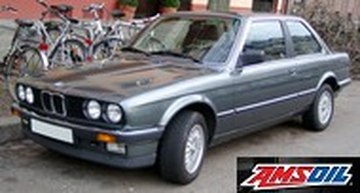
Maintenance Guidance for the 1984 BMW 325e 2.7L
Maintaining an older vehicle requires attention to fluid integrity and regular inspections of mechanical components. For the 1984 BMW 325e with the 2.7L M20 B27 engine, following specific fluid guidelines can assist in routine upkeep.
What transmission fluid does my 1984 BMW 325e 2.7L take?
The following automatic transmission fluids are listed for this vehicle: ATFPK-EA Signature Series Multi-Vehicle Synthetic Automatic Transmission Fluid and OTFQT-EA OE Multi-Vehicle Synthetic Automatic Transmission Fluid.
Engine Oil Viscosity Options
When selecting an engine oil for the 2.7L M20 B27 engine, there are specific SAE viscosity grades listed for this application. The database allows for 10W-40 and 5W-40. Selecting a viscosity from the provided list ensures you are using a grade associated with this specific vehicle identity.
Routine Oil Level Monitoring
Regularly checking the engine oil level is a fundamental aspect of vehicle maintenance. Owners should monitor the dipstick to ensure the fluid remains within the operating range. Significant or sudden drops in oil level can indicate potential leaks or internal consumption issues that may require further inspection. Consistent monitoring helps identify changes in fluid behavior before they lead to mechanical complications.
Managing Oil Change Intervals
To maintain engine health, it is important to adhere to a consistent lubrication schedule. Because specific mileage or time intervals are not provided for this 1984 BMW 325e, you should follow the manufacturer maintenance schedule or consult your owner's manual. Staying current with these scheduled changes helps prevent the buildup of contaminants and ensures the engine receives fresh lubrication as intended by the manufacturer.
Fluid Inspection and Contamination
Beyond checking levels, observing the physical condition of the oil can provide insight into engine health. While oil naturally darkens over time due to heat and combustion byproducts, extremely thick or gritty textures may indicate issues with filtration or excessive contamination. Similarly, if you notice a milky appearance in the oil, this could suggest that other fluids are mixing with the lubrication system, which necessitates immediate professional attention.
Environmental Considerations for Fluid Disposal
Properly managing used engine oil and transmission fluids is essential for environmental safety. Used lubricants contain additives and combustion residues that should not be disposed of in standard waste streams. Always collect used fluids in sealed containers and transport them to a local recycling center or an automotive service facility that accepts hazardous waste for proper processing.
What differential or gear oil does my 1984 BMW 325e 2.7L take?
The following gear oils are listed for this vehicle:
- SEVERE GEAR® 80W-90 (AGLPK-EA)
- SEVERE GEAR® 75W-90 (SVGPK-EA)
- SEVERE GEAR® 75W-110 (SVTPK-EA)
What coolant does my 1984 BMW 325e 2.7L take?
The following products are listed for this vehicle:
- ANTPC1G-EA — Passenger Car & Light Truck Antifreeze & Coolant
- ANT1G-EA — Low Toxicity Antifreeze and Engine Coolant
When should I change the oil in my 1984 BMW 325e 2.7L?
To determine the correct oil change interval for this vehicle, follow the owner's manual or the manufacturer maintenance schedule.
What oil does my 1984 BMW 325e 2.7L take?
The following oils are listed for this vehicle:
- XLOQT-EA — XL 10W-40 Synthetic Motor Oil
- AMOQT-EA — Premium Protection 10W-40 Synthetic Motor Oil
- AFLQT-EA — SAE 5W-40 MS Synthetic European Motor Oil
What oil filter does my 1984 BMW 325e 2.7L need?
The following oil filters are listed for this vehicle:
- EAO34-EA — AMSOIL Ea Oil Filters
- 51088-EA — WIX Oil Filter
- W71915-EA — MANN-FILTERS Oil Filters
BUYING ENGINE OIL
When you are ready to purchase lubrication, refer to the listed viscosities for this 1984 BMW 325e: 10W-40 and 5W-40. Ensure that any product you select matches these specific grades to maintain consistency with the vehicle's requirements. Always verify the container labeling against your maintenance needs before completing a purchase.